
Overshadowing Red Lake
Native Americans are once again marginalized in media
 Reparations Not in the News
Editorial and Letters to the Editor Supercede News Stories and Features
Native Americans are once again marginalized in media
Editorial and Letters to the Editor Supercede News Stories and Features

Oct 2, 2003 in Q&A; comments (0)
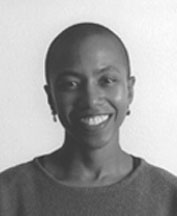
GLAAD's New People of Color Media Director
by Lena-Nsomeka Gomes
Thank you
This program is important because LGBT people of color are underrepresented in the media. For example, we are entering into the fifth anniversary of the Mathew Sheppard crime, but the murder (this past summer) of a 15-year-old African American lesbian in Newark, California, who was stabbed to death after identifying herself as a lesbian and refusing sexual advances from two men was barely covered by the mainstream media and the LGBT press. There is an absolute need to have a program -- an organization -- a department--that is not just fighting misinformation in mainstream media, but also working to increase the stories that pertain to LGBT people of color. GLAAD believes that the LGBT community, as a whole, is not going to be represented if we only see images and stories covering Caucasians. We cannot claim to represent these communities if we're not working in collaboration with them.
Over the past year, we have been fortunate in fostering new relationships with media manager professionals in the African American, Asian, and Latino communities. We will be meeting with representatives from Essence, BET, Hiphen, and Filipinas soon. We are building a department that will be culturally competent in each of these communities. We just hired Jasmyne Cannick, as our Media Manager. She will focus on the African American community and Clay Ming, GLAAD's fellow and point person for the API community. We have seen an increase of LGBT issues in the major Spanish-language media markets, such as Telemundo, La Opinión, and Hoy. We have actually sat down with these people pitching stories, engaging in lengthy discussions, and attending conferences together. After a long wait and many conversations, Univision's Sabado Gigante agreed to do its first LBGT-related news segment This was a major landmark in Spanish-language media!
Good question. As Latinos, we have a lot of cultural nuances that really weigh a heavy toll on who we are and how we conduct ourselves in society. Nuances such as machismo, religion--even in our own languages. Homosexuality, for example, is still regarded as a mental disorder in many Latino communities. Therefore, we see a lot of resistance from the Spanish-language media to cover these issues in a fair, accurate and inclusive way. However, little by little, they're getting it. For example, La Opinión, the nation's largest Spanish-language paper, featured an op-ed exploring the Lawrence v. Texas decision and its cultural impact in the Latino community.
Although many LGBT communities of color don't have national organizations, they do have local ones. Therefore we are operating on all levels. GLAAD'S outreach to communities of color is not new. We have had a cultural interest program in place for some time. However, I think what is new is the expansion of our vision--the emphasis that we are now putting on media. We are aggressively pushing stories about LGBT people of color. All our departments are dedicated to working on this initiative.
I would like to see an increase in LGBT images, issues, and stories in three areas: poc media--all publications and electronic media such as BET and Spanish-language media, in the national LGBT press, and in mainstream media.

WHAT DO YOU WANT TO SAY?
