
Overshadowing Red Lake
Native Americans are once again marginalized in media
 Reparations Not in the News
Editorial and Letters to the Editor Supercede News Stories and Features
Native Americans are once again marginalized in media
Editorial and Letters to the Editor Supercede News Stories and Features

May 7, 2004 in Q&A; comments (0)
Responding to bias in Swedish news media
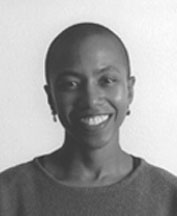
Ulku Holago project manager of Swedenís ëQuick Responseí discusses diversity issues in her nationís newsrooms
by Dawn Withers
It was an idea that came up during a meeting for a reference group working through a committee against racism. They came up with the idea of an institution that could quickly respond to false information being spread in the media about immigrants. They made a call to organizations to start and run this new ideaÖ The Swedish Red Cross Youth wanted to run it so Quick Response started in 1999. What we do is we scrutinize the Swedish news reporting on the issues of integration, immigration and racism. Our main target group is journalists and journalism students and we try to keep up the discussion among journalists about how these issues are reported and on how people are portrayed in the media. Over time, we look at how things are written. Our mantra is everyone in the news is portrayed according to the same basic journalistic principles.
There are ethics that journalists have to follow. For example, donít talk about gender, ethnicity, political background or sexual orientation if itís not relevant . The others are diversity of sources, critical and objective questioning. About a year ago we looked at crime stories that were being committed where the suspects were immigrants. We checked out how the newspapers had written about them and which papers chose to write about their ethnic backgrounds. Of those crimes that were committed, the suspectsí ethnic backgrounds had nothing to do with the crime. We called the journalists who mentioned or didnít mention the ethnic backgrounds and asked them why they chose to do it or not. Weíre not saying itís bad to write about the ethnic backgrounds. It might be relevant. We are just looking at different explanations.
We havenít looked into the murder, but we can say by just reading the newspapers, it was interesting because they found the murderer and it turned out that he was a child of immigrants. What could have happened was a big emphasis on his background but the media acted correctly in that sense, because they focused on his psychiatric problems. They did go back to Serbia, where he was from, and spoke to his grandparents whom he grew up with. Not writing about his ethnicity was very difficult in this case. One of the reasons why he became so ill in the end was because he was sent back to Serbia as a kid and when he came back to Sweden he had forgotten Swedish. He was an outsider in school. That might have been one of the reasons why he turned out the way he did. The cutting back on mental institutions was the debate that came out of the story.
I noticed something strange and itís something we will look into closer. Someone was quoted saying that lots of people within immigrant groups are very political and wouldnít mind taking terrorist methods as a way of working toward their political goals. I think that was a bit over the top. As a journalist at Quick Response, I am not criticizing the quote. What I am looking at is how did the journalist follow this up. Did the journalist ask relevant counter-questions? We asked, what do you mean? How many people are we talking about? Who are immigrants? What does immigrant mean? Is it someone who arrived yesterday or someone who has been living here for many years?
Thereís a tendency for journalists to interview someone and describe them by their race. For example, ëArabic instructor.í Those journalists canít help but to put that in their stories. Very often, though, (the phrase) just pops up from nowhere and what does it have to do with anything? I think thatís starting to change and itís not all bad. Of course, thereís lots of good coverage of people from different backgrounds.
Of course the media have a big impact on peopleís lives. Whatís in the news is word on the street, you could say. It affects people and peopleís opinions affect the journalists. They are different parts of the same chain. We donít think that any journalist goes to work and says, ëHow am I going to write badly about this group of immigrants today?í We think that the lack of diversity in newsrooms is a problem because itís easier to write ignorantly about someone that youíve never met, or about a group of people you know nothing about. If you have a Muslim as your desk mate at work, you could ask them questions about Ramadan and you donít have to write the wrong dates in the newspaper, which has happened.
To give a diverse picture and give as many different voices as they possibly can. Lack of time and resources are both big problems for journalists, of course, but still (they must) try to give the readers a smorgasbord of voices so they can make up their own minds.
Yes [there is discussion in Sweden about diversifying newsrooms]. At the moment they are actually embracing us and they want us to come and talk to the staff and discuss it. They keep saying ìwe try to hire but we have a crisis; we canít hire that many but when we try there just arenít any applicants because there isnít any diversity in the journalism schools.î The schools are trying to come up with ideas but some people we meet are very critical of the work in the schools being too slow. At the same time, I donít believe that there arenít enough journalists with different backgrounds. I think there are enough for the vacancies so when they advertise they can find people.
Thatís the thing I am trying to do during my trip here. Itís a little bit impossible because itís so huge but I am trying to get a sense of whatís going on. We have a lot to learn because you are ahead of us. You have had a diverse society for so much longer than Sweden.
I came here from New York and what struck me was that people didnít tend to talk about diversity among journalists. That just simply wasnít an issue. So I didnít find out much about that in New York. I know more now that Iíve been here in California. My colleague and I (he is in Chicago doing the same thing), are going to write two articles about this. Thereís a lot to write about. We are going to bring back a lot.
Yes and no. We do get more attention than before and more of our articles become news in the mainstream media. On the other hand, we still are discussing the same issues over and over again. Even though the interest has increased, there are still many journalists who donít know of us. But thatís our fault.
Yes. Weíve been to all the big journalism programs in Sweden and the students are extremely interested in what we have to say. They tend to get very angry and upset and the teachers tell us the discussions go on for a long time after weíve been there.
I think thereís so much to do and instead of just getting angry at reading the morning paper, I have an excellent way of getting in touch with the journalists to try to make a difference.

WHAT DO YOU WANT TO SAY?
