
Editorial and Letters to the Editor Supercede News Stories and Features
Terry Heaton Takes on Diversity in the Workplace

News Watch Remember Roy Aarons
NLGJA Founder Was Everybody's 'Brother'
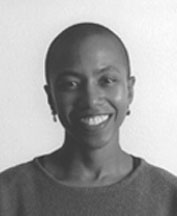
by Erna Smith, News Watch Director
Fourteen years later, I met Roy in person when he hired me to work for the summer on the copy desk of the Oakland Tribune after I accepted a position to teach journalism at San Francisco State University.
Weíd chatted on the telephone a few times before we met face to face. To me, he sounded like a New Yorker, which is to say his accent betrayed his geographical fault line but nothing more. So you could have knocked me over with a feather when this slender, white-haired and well-dressed white man bounded across the newsroom like an overgrown puppy to greet me.
ìErna, Iím Roy Aarons,î he said, his eyes twinkling.
A few days later he took me to lunch where he wolfed down his food as if he hadnít eaten in days and talked to me, or rather at me, as if we were old friends. Afterward, I raced to keep up with him as he charged back to the Tribune with a mustard stain on his elegant tie, courtesy of his unique brand of power lunching.
Roy Aarons will be remembered in journalism history for founding the National Lesbian and Gay Journalists Association in 1990. But long before he bust open the closet for countless lesbian and gay journalists in newsrooms across America and, even the world, he worked tirelessly to break through the color line for countless African American, Latino, Asian and Native American journalists.
He was, quite literally, everybodyís brother and that is his legacy to us.

WHAT DO YOU WANT TO SAY?
